

Understanding brain tumours: From symptoms to advanced surgical care Publish Date : 15/06/2026

Understanding brain tumours: From symptoms to advanced surgical care
Dr. Divyandhu Sengar and Mukesh Sharma
Headaches are among the most common neurological symptoms and can significantly affect day-to-day life. However, certain headache patterns warrant further medical evaluation. Persistent headaches that occur predominantly in the morning are associated with vomiting or worsen on bending forward or coughing should not be ignored. Another relatively common neurological symptom is seizures, also known as convulsions or fits.
Both headaches and seizures should be appropriately investigated to ensure timely diagnosis and treatment if there is an underlying neurological condition requiring medical attention. Importantly, a diagnosis of a brain tumour should not lead to panic. Advances in diagnostic imaging, surgical techniques, and neurological care have significantly improved outcomes, and early detection plays a vital role in ensuring the best possible treatment pathway.
A BRAIN TUMOUR DIAGNOSIS: UNDERSTANDING THE NEXT STEPS
Most brain tumours are identified through imaging studies such as CT scans or MRI scans. To better assess the nature of the tumour, contrast-enhanced CT or MRI is often required. Following diagnosis, patients undergo a comprehensive neurological examination to identify any deficits and determine the most appropriate treatment plan, including whether surgery is necessary.
MODERN BRAIN TUMOUR SURGERY: SAFETY AND PRECISION

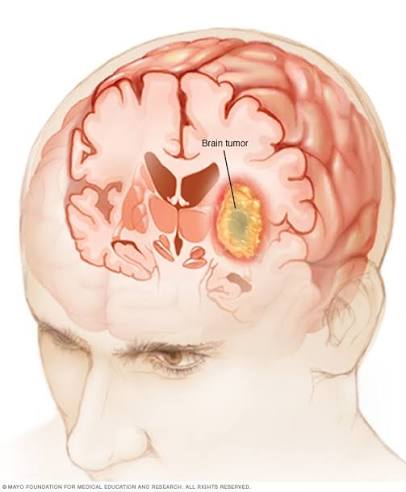
Most brain tumours tend to displace rather than invade surrounding normal brain tissue. The primary goal of surgery is to remove the tumour while preserving healthy brain structures and neurological function. Advanced surgical techniques enable neurosurgeons to minimise damage to critical areas of the brain. In selected cases, awake brain surgery may be performed, allowing important neurological functions to be continuously monitored and preserved.
TECHNOLOGIES THAT SUPPORT SUCCESSFUL SURGICAL OUTCOMES
- Neuro navigation: A computer-guided system that enhances surgical accuracy by helping the surgeon accurately locate the tumour and navigate through the brain while avoiding critical structures.
- Intraoperative neuro monitoring (IONM): Provides real-time assessment of neurological function during surgery, helping surgeons preserve essential pathways.
- Neuro endoscopy: Enables minimally invasive surgical access through smaller incisions, reducing blood loss, postoperative discomfort, and hospital stay.
SURGICAL OUTCOMES AND LONG-TERM PROGNOSIS
The combination of advanced technologies has contributed to improved surgical precision and patient outcomes. The long-term prognosis depends largely on the type of tumour removed and on other clinical factors assessed by the treating team.

While headaches and seizures are common symptoms with many possible causes, persistent or unusual neurological symptoms should always be evaluated by a medical professional. Early diagnosis, appropriate investigation, and timely treatment can make a significant difference. With modern neurosurgical expertise and advanced technology, brain tumour treatment today is safer, more precise, and more effective than ever before.

Writer: Dr. Divyanshu Sengar, the Medical officer of Pyare Lal Sharma District Hospital, Meerut.


