

Winter season and the rising risk of stroke Publish Date : 31/01/2026

Winter season and the rising risk of stroke
Dr. Divyanshu Sengar and Mukesh Sharma
Winters are a W physiological stress test. As temperatures fall, the body adapts in ways that subtly burden the cardiovascular and cerebrovascular systems. These subtle seasonal adjustments create conditions in which the likelihood of a stroke may heighten, especially in individuals with pre-existing vulnerabilities.
COLD, CONSTRICTION AND CEREBRAL CONSEQUENCES
Vessels under pressure: Low temperatures trigger reflex vasoconstriction. Blood vessels narrow, blood pressure rises, and the circulatory system works harder to maintain equilibrium. Even individuals with stable blood pressure may notice mild, temporary elevations during colder months as the body adjusts to lower temperatures.
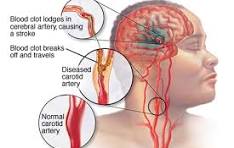
A thicker circulatory stream: Cold weather increases blood viscosity and platelet reactivity. Slightly denser, more "sticky" blood travels sluggishly, allowing clots to form more readily and making them harder to break apart. It's an unwelcome setting for stroke risk.
Sunlight scarcity and vascular function: Reduced. Sunlight exposure lowers vitamin D levels, and low vitamin D levels are linked to impaired endothelial function and increased vascular strain. While not a direct cause, it is an atmospheric contributor to winter's vascular load.
WINTER HABITS THAT TILT THE BALANCE
The sedentary trap: Cold weather discourages movement. What begins as a missed walk can become a month of reduced physical activity. Inactivity dulls the vascular responsiveness and contributes to hypertension, dyslipidaemia and metabolic slowdown. These are pro-stroke conditions.
Comfort eating, clinical consequences: In winter, people often eat rich, salty, high-calorie foods. They may taste good, but they can raise blood pressure and worsen cholesterol at a time when the body is already dealing with cold-weather stress.
Infections that stoke inflammation: Seasonal respiratory infections increase inflammation in the body. This can destabilize arterial plaques or tip pre-existing cardiovascular conditions towards a crisis.
WHO IS MOST AT RISK IN THE COLD?
The vulnerable circulatory system: Older adults and individuals with hypertension, diabetes, atrial fibrillation or a prior stroke are at higher risk in winter.
The unmonitored hypertensive: Those who do not routinely check blood pressure may be unaware of winter-driven elevations until symptoms appear. Often too late. Small increases during cold months are common and can still matter for your health.
STRATEGIC WINTER SAFEGUARDS
Stay warm with purpose: Layered clothing, thermals, gloves and well-heated indoor spaces limit cold-induced vasoconstriction.
Maintain movement: Structured indoor exercise, cycling, resistance training. power walking, or guided online workouts help maintain vascular tone and mitigate seasonal stagnation.
Monitor what matters: Regularly checking your blood pressure at home in winter can give early warning signs of problems. If it changes a lot from your normal level, you should have a doctor look at it.
Choose heart-smart meals: Warm, nutrient-dense foods, vegetable broths, lean proteins, and whole grains deliver comfort without compromising cardiovascular health.
Management of infections: Prompt treatment, adequate hydration, rest and vaccinations help reduce the systemic inflammatory burden that indirectly contributes to stroke risk. Winter does not "cause", strokes. It creates a cluster of environmental, physiological and behavioral conditions that make high-risk individuals more susceptible.

Writer: Dr. Divyanshu Sengar, is the medical officer of Pyare Lal Sharma District Hospital Meerust.


