


Winter and heart health: Protect it through the cold months Publish Date : 10/01/2026

Winter and heart health: Protect it through the cold months
Dr. Diyanshu Sengar and Mukesh Sharma
As winter settles in, many look forward to warm cups of tea, cosy A Levenings and festive gatherings. However, the colder months also bring a noticeable rise in cardiac emergencies. Cardiologists across the country observe a consistent pattern every winter: heart attacks, heart failure episodes and blood pressure fluctuations increase significantly. Understanding why this happens and how to protect yourself can make all the difference.
WHY WINTER STRAINS THE HEART

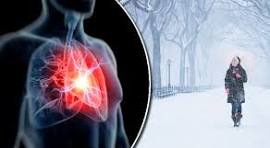
Cold weather causes the blood vessels to constrict, raising blood pressure and making the heart work harder to pump blood. This effect is particularly dangerous in people with existing heart disease, diabetes, high cholesterol or uncontrolled hypertension. Even healthy individuals may feel additional strain during sudden temperature drops, early-morning walks or overexertion. Respiratory infections, which are more common in winter, can further burden the heart. Fever, dehydration and inflammation may trigger complications in people with weakened cardiac function.
COMMON MYTHS ABOUT WINTER HEART HEALTH
Myth 1: Heart attacks only affect older adults during winter.
Fact: While senior citizens are at higher risk, winter-induced cardiac events can also occur in younger individuals with sedentary lifestyles, smoking habits, obesity or untreated medical conditions.
Myth 2:If I exercise regularly, a winter cold will not affect my heart.
Fact: Exercise is essential, but sudden exertion in low temperatures, such as early-morning jogging or strenuous workouts, can sharply raise heart rate and blood pressure, triggering cardiac events. Warming up indoors first and avoiding extreme cold is crucial.
Myth 3: Staying indoors protects me completely.
Fact: Indoor inactivity, Povereating, poor sleep and increased stress during winter can be just as harmful.Maintaining a healthy routine inside the home is equally important.
Myth 4: Chest discomfort in winter is always due to cold air.
Fact: Many heart attack symptoms are mistaken for winter chills, acidity or muscle strain. Any chest pressure, breathlessness, arm/neck pain or unexplained sweating must be evaluated immediately.
RECOGNISING SYMPTOMS EARLY SAVES LIVES
Heart attack symptoms in winter can be subtle. Instead of severe chest pain, many experience mild discomfort, fatigue, dizziness or breathlessness. Women and elderly patients often present with atypical signs. Early diagnosis and timely treatment dramatically improve survival.
PRACTICAL WINTER HEART CARE TIPS
Keep yourself warm, especially hands, feet and head.
- Avoid sudden exposure to cold; layer your clothing.
- Continue regular medications; never skip blood pressure or diabetes tablets.
- Maintain physical activity, but avoid early-morning intenseworkouts in low temperatures.
- Stay hydrated; winter dehydration is often unnoticed.
- Get your flu vaccine and manage respiratory infections promptly.
- Monitor blood pressure regularly at home.
- Seek medical help immediately for persistent chest discomfort, palpitations or breathlessness.
IN CASE OF A CARDIAC EMERGENCY
If you suspect a heart attack, severe or mild, do not ignore symptoms or try home remedies. Call emergencymedical services immediately, keep the person calm and seated, and avoid exertion. Quick access to a hospital with a 24x7 cardiac emergency unit, ECG facilities and an interventional cardiology team can be life-saving. Every minute counts in restoring blood flow to theheart. Winter need not be feared, but it must be respected. With awareness, timely precautions and regular heart check-ups, most winter-related cardiac complications are preventable. Cardiologists advise individuals, especially those with risk factors, to stay alert, stay warm and prioritise heart health throughout the season.

Writer: Dr. Divyanshu Sengar, Medical Officer, Pyare Lal Sharma District Hospital Meerut.


