

INTEGRATED FRUIT PRODUCTION Publish Date : 06/09/2026

INTEGRATED FRUIT PRODUCTION
Professor R. S. Sengar and Dr. Reshu Chaudhary
The concept of integrated Fruit Production (IFP) is ünked, to a certain extent, with organic farming. However, it does not seek elimination of chemicals but rather strives to reduce high environmental impact methods and encourage high technology with a low environmental impact. It incorporates not only Integrated Pest Management (IPM) but also in all field management techniques designed to produce crops that meet both commercial and consumer demand, while safeguarding the environment.
According to Dr. M. S. Swaminathan, some of the important constraints of the present intensive production system are seccion in the biological potential of the soil and depletion of underground water resources due to high cost of intensive agriculture, more energy requirements in the form of mineral fertilizers, chemical pesticides and farm machinery every year to produce the same quantity of grains and other farm products.
Besides, rise in damage by pests and diseases, accumulation of green house gases in the troposphere due to modern agricultural practices, Genetic Heterogeneity being replaced by Genetic Homogeneity both in crops and farm animals, enhancing genetic vulnerability to biotic and abiotic stresses, subsidies made essential due to cost risk and return structure of farming, and to sustain farmers interest in improving productivity are some other factors.
Integrated fruit production is an ecofriendly process of optimisation of internal and external fruit quality as also production including conservation of soil fertility, minimisation of inputs etc. The aim is sustainable environment for both horticulture and agriculture. IFP's priority concerns are the ecosystem in the overall context of crop growing, the sanitary statusof the crop, enhancement of product quality, proper use of natural resources like solar energy, soil fertility, precipitation and water table management, integrated use of linter related management techniques etc.
The working definition of IFP thus, is the combination of genetic, agronomic, biotechnological and chemical methods in an economical crop production system, which optimises product quality and safeguards the environment and human health.
Factors Required for an Efficient IFP
Efficient Plant Material Healthy, virus free, bacterial. fungal, air and soil borne disease prestent plot mate should be selected for a given environment. There is need to include techniques like enhancing plant resistance by means of natural substances eg. algae extract. The viruses or vinodes can induce dwarfism in plants to reduce tree size but not the fruit quality or tree longevity.
Location: A suitable location should be used for fruit production. The critical factors are soil temperature, amount of rainfall and sunshine hours. The timing for planting fruits and the kind of fruit species to be grown besides the distance to the market are also to be considered.
Plant Protection: Integrated Pest Management techniques should be vigorously pursued. Development of beneficial insect population will result in less reliance on pesticides. Priority should be given to experiments with low concentration of standard broad spectrum insecticides
Plant Nutrition: Controlled nutrition is needed to maintain plant health, to obtain high yield, avoid nutrient leaching and physiological fruit disorders. According to the Food & Agriculture Organisation (FAO), 55 percent of the increase in crop in developing countries from 1965 to 1976 could be attributed to fertilisers. The rules for fertilisation should include tree physiology, soil management, and amount of nutrients removed by thethe crop and watering methodology. Trace elements should be used only after exact analysis of soil and plant.
Biofertilisers or other dinitrogen (N2) fixing plants are the alternatives for reducing the inputs of chemical fertilisers. The ability to fix N2 air via bactena may mpensate for the exploration N from the cropping system. Ditionally, growth of bacteal population in soil is often ependent on colonisation by asicularArbuscularmyco-mizal (VAM) fungi which are mportant in P and microutrient uptake. Manipulation symbiosis between plants nd minerals can help in nhancing nutrient uptake in e agroecosystem.
Crop Rotation: Crop tation, if possible, appears be of great advantage, nce nematodes and root mibiting soil bom diseases ay cause micro organisms accumulate in long lasting chard Cultivation Methods. The Dil Management System nould provide good growing onditions for fruit trees, reserve and improve soil ertility and prevent soil eroon and secondary damage instance voles. Mechanical ultivation leads to faster ecomposition of humus ecause it is connected with dditional but useless soil eration, costing more fuel.
A orough review of tilling ethod should be undertaken and alternative method to eep filling, including non-age should be examined. Training and pruning stems in conjunction with concept of self-regulating e growth are extremely portant. Training that empha-ses reproductive or bearing er the vegetative stage on the very first year of costs and induces early cropping.
Localised water application techniques e.g. drip and sub-canopy sprinkiers (microjet sprays) have increased imgation in certain areas, with reduced capital outlays and overheads. Innovation in water and energy saving techniques based on temporary controlled water deficits require less input than was normally deemed necessary. The effect is to reduce competition in critical periods between vegetative growth and fruiting, when new shoots have already developed.
Reduction in the use of herbicides is necessary because of occurrence of resistance of certain weeds and likely pollution of ground water. The approaches being investigated are weed control by mechanical and thermal means, by covering soil with various material or non-competitive weeds, by wide ning the grass strips or a combination of both. The use of herbicide can also be reduced by spreading herbicides on to weeds with Viruses can be utilised for biological control of weeds. An European strain of Tobacco Mossaic Virus (TMV) is reportedly highly pathogenic to solanaceae.
Picking Schedule and PostHarvest Storage: For better returns, harvest dates are to be selected carefully so as to achieve a high standard of quality for fruits. It is a technical decision which is generally left to buyers as it is in relation to market trend or storage method. Fruits are often picked too early, subjected to accelerated maturation and not able to reach acceptable quality levels. They therefore, end up alienating the unwary consumer.
To extend the shelf life of the fruits, storage should be limited to the time span which does not affect quality. It is better to encourage fresh fruit consumption and promote complementary seasonal calendar of naturally staggered ripening dates for fruits in different geographical areas. These techniques are based on knowledge of the fruit and its maturation stage, on pre and a chain of cold storage on the use of controlled atmosphere in storage and in transport, and on proper packing for sale in super markets.
Non-food use of biomass. In order to avoid wastage of horticultural biomass, research is required in the field of non-food uses. The surplus can be used for bioethanol, alcohol extraction and other products. It can also be used aslivestock feed or fertiliser. Theoretically, the possibility of extracting byproducts for high value added industrial utilisation e.g. starch, protein, biodegradable plastic etc., encourages us to seek out new patties and assess the potentials of the agro industrial sector.
In recent times, there is a demand for a broad range of fruits and fruit products to satisfy not only the basic nutritional needs of the people living in industrialised and third world countries but also to meet the requirements of health conscious consumers, weight watchers, athletes etc. In addition, an adequate supply of fresh and processed products at reasonable prices should be made available Last, but not the least, it is essential that the sustainability of production system be ensured. In order to achieve these objectives, we need a production system that can be adopted by a majority of growers around the world; a system in which an attempt is made to reach this level of acceptance with ecologically preferred technologies. The concept of Integrated Fruit Production is, therefore, vital in this context.
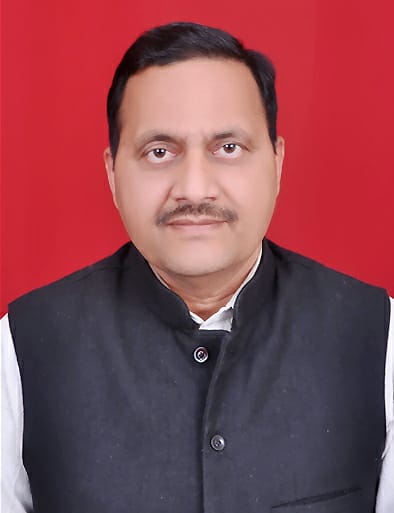
Writer: Professor R. S. Sengar, Director Training and Placement, Sardar Vallabhbhai Patel University of Agriculture and Technology, Modipuram, Meerut.


