

THE VEGETARIAN CULTURE Publish Date : 29/10/2026

THE VEGETARIAN CULTURE
Professor R. S. Senagr
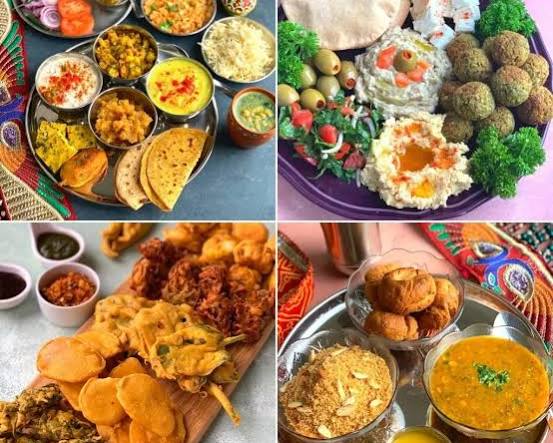
Rajasthan makes that case openly. The state has never introduced eggs in midday meals, irrespective of whether the BJP or Congress has been in power. The reasons are cultural as much as administrative. The state has the largest percentage of vegetarians in its population among the four states with a clear vegetarian majority (the others being Punjab, Haryana and Gujarat; MP has a marginal non-vegetarian majority). Large sections of Jain, Vaishnav, Bishnoi and other Hindu communities in the state have followed vegetarian diets for generations.
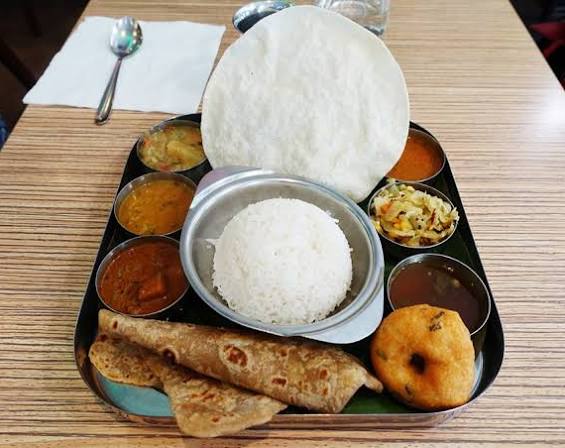
Eggs are not acceptable food in many households. Some parents are uncomfortable not only with their children eating eggs, but even with food served in utensils previously used for eggs. A private school teacher told INDIA TODAY that some children from strict vegetarian families find eggs "repulsive" to look at, though others may taste them out of curiosity and not tell their parents. Rajasthan also cites logistics: summer storage, transport, breakage, smell, peeling and the burden on staff. Successive governments, therefore, have preferred milk, pulses, soya, chana and fortified foods.
Gujarat began school meals in 1984 and merged with the national scheme in 1995, but has also never served an egg. Its menu includes wheat, rice, pulses, vegetables and sukhadi, a wheat-jaggery-ghee sweet. Akshaya Patra, the ISKCON-linked foundation, runs centralised kitchens in the state. On paper, Gujarat says it delivers more than the required calorie and protein norms. In 2024, chief minister Bhupendra Patel added the Mukhyamantri Paushtik Alpahar Yojana, a breakfast programme averaging 200 calories and six grams of protein through items such as fada lapsi, muthiya, sprouted pulses and chana, reaching over 4 million children in over 32,000 schools.
Then there is the other Gujarat. The sixth round of the National Family Health Survey (NFHS-6), released in May 2026, shows under-five stunting in the state at 35.3 per cent, far above the national average of 29.3 per cent (see The Nutrition Gap). The share of children aged 6-23 months receiving a minimum adequate diet is only 7.8 per cent, against the national 15.3 per cent. The findings point to broader nutritional deficits that more wholesome school meals could help address. A 2020 report by the Comptroller and Auditor General of India (CAG) found school meals deficient in energy and protein and flagged weak monitoring of nutritional quality. Of course, child growth is shaped by maternal nutrition, poverty, sanitation, healthcare and feeding practices in the first 1,000 days. But for a state already low on nutrition indices can scarcely afford to not make good the deficit.
“We have never had eggs as an issue. There has been no demand from students or schools” eggs, regardless of cost," he said. Kamlesh Shah of the Shree Jain Sangh Sangathan flagged hygiene, contamination, lack of standard operating procedures in transport and storage, and chemical residues on eggshells. Maharashtra, he said, could distribute chikki for its substantial vegetarian population.
These are serious objections. Some children are allergic to eggs. In summer heat, fragility and spoilage become real issues, albeit not for eggs alone. But such arguments often reflect a more fundamental agenda: that the state should not serve an item considered non-vegetarian in a common school meal.
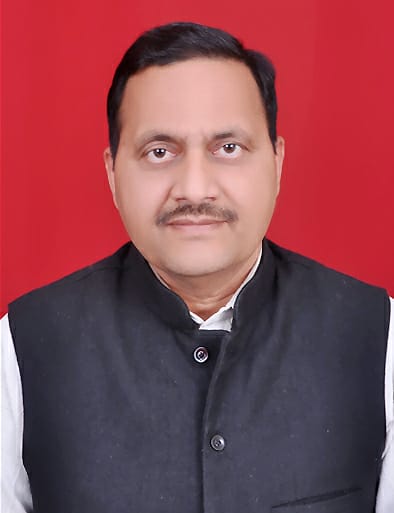
Writer: Professor R. S. Sengar, Dean College of Biotechnology and Director Training and Placement, Sardar Vallabhbhai Patel University of Agriculture and Technology, Modipuram, Meerut.


