


Combating Hidden Hunger: Micronutrient Deficiency Challenge Publish Date : 20/10/2026

Combating Hidden Hunger: Micronutrient Deficiency Challenge
Professor R. S. Sengar
India is a land of diverse cuisines, flavours, and food traditions. From region to region, the food on our plate’s changes, yet variety of foods does not necessarily mean that everyone is getting the nutrients they need. India has made progress in reducing food insecurity and addressing calorie deficiency, but another form of malnutrition continues to affect people: hidden hunger, the deficiency of essential vitamins and minerals.
It is possible to eat enough food, feel full, and still be deficient in nutrients such as iron, folate, vitamin B12, vitamin A, iodine, and zinc. Kul C Gautam former Deputy Executive Director of UNICEF, notes, "You might not feel it in the belly, but it strikes at the core of your health and vitality." Unlike visible forms of undernutrition, these deficiencies may not be immediately apparent, but over time they impair growth, immunity, cognitive development, productivity, and overall health. Although progress has been made in food security in recent years, improvements in South Asia have been too slow to meet nutrition security. If current trends continue, Sustainable Development Goal 2 (achieving Zero Hunger) will be missed by 2030.
Anaemia remains an important manifestation of micronutrient deficiency in India, particularly among women, adolescent girls and young children. While iron deficiency is a major contributor, anaemia may also be associated with other nutritional deficiencies and factors that affect nutrient absorption and utilisation. Addressing it therefore requires attention not only to supplementation, but also to dietary quality, diversity and appropriate use of available nutrients. Breaking this cycle requires looking beyond food availability to evaluate dietary quality, diversity, and biological utilisation.
The Silent Epidemic: Micronutrient Deficiencies and Dietary Gaps
India's nutrition challenge remains huge. The challenge of hidden hunger extends beyond individual nutrient deficiencies to the quality of diets available to vulnerable groups. Even where food is available in sufficient quantities, diets that lack variety and nutrient-dense foods can leave important nutritional gaps. Addressing these gaps requires greater emphasis on dietary diversity and on ensuring that nutrient-rich foods are accessible, affordable and regularly consumed.
Beyond anthropometric failures, micronutrient deficiencies are pervasive across cohorts:
Anaemia Manifestations: Anaemia illustrates how hidden hunger can affect health without always being immediately visible. Its consequences can extend from fatigue and reduced physical capacity to impaired cognitive and developmental outcomes. For this reason, prevention and management need to be linked with better dietary practices, appropriate supplementation and continued attention to the underlying causes of micronutrient deficiencies.
Micronutrient Deficiencies (CNNS 2016–18): Vitamin A deficiency affects 18 per cent of preschool children, 22 per cent of school-age children, and 16 per cent of adolescents. Zinc, vitamin B12, and folate deficiencies affect up to 32 per cent, 31 per cent, and 37 per cent of adolescents, respectively. Vitamin D deficiency spans 70–100 per cent of the general Indian population.
Dietary Quality Gaps: Nearly half of all protein intakes come from cereals, while pulses contribute a meagre 11 per cent (against a recommended 19 per cent). Coarse-grain consumption has declined by roughly 40 per cent, average fat intake has reached 2.5 times the Recommended Dietary Allowance (RDA), 42 per cent of households fail to meet 90 per cent of daily fibre requirements, and salt consumption averages 11 g/day—more than double WHO recommendations.
Lessons from Global and Regional Mitigations
International and South Asian experiences demonstrate that hidden hunger can be successfully curtailed through deliberate, multisectoral public health strategies:
- Homestead Food Production and Biofortification (South/Southeast Asia): Programmes combining homestead gardening, backyard poultry, and the promotion of locally available micronutrient-dense foods (such as small indigenous fish species rich in iron, zinc, and vitamin A) have successfully improved dietary diversity and lowered micronutrient malnutrition. Similarly, the adoption of biofortified staple crops such as high-iron pearl millet, has proven effective in significantly boosting iron status and cognitive outcomes among adolescents.
- Mandatory School-Feeding Enhancements: In several developing nations, school meal programmes have been reshaped to substitute polished staples with diverse, nutrient-dense local grains (such as millets supplying critical calcium, iron, and zinc). These reforms have tangibly elevated children's nutritional and micronutrient outcomes.
- From Deficiency to Action: India's Response to Hidden Hunger India's policy framework has evolved from targeting isolated deficiencies toward comprehensive, life-course approaches.
- Anaemia Mukt Bharat (AMB): A sustained response to anaemia also depends on linking nutrition interventions with screening, follow-up and community-level awareness. Such an approach can help ensure that identified deficiencies are addressed while households are supported to adopt dietary practices that improve the intake and utilisation of essential micronutrients.
- Food Fortification and Supplementation: Targeted public health channels distribute vitamin A and iron-folic acid (IFA) supplements while scaling population-level fortification standards including rice, wheat flour, milk, edible oil, and double-fortified salt.
- Leveraging Social Protection Platforms: Government safety nets such as PM POSHAN (school meals), Mission POSHAN 2.0, and the Public Distribution System (PDS) serve as vital delivery mechanisms for Take-Home Rations (THR) and Hot Cooked Meals (HCM). These platforms offer immense leverage to shift from calorie-dense to nutrient-dense provisioning by embedding local, diverse foods.
-
Policy Directions for Combating Hidden Hunger: Strengthening the Roadmap.
- To bridge the gap between food security and true nutritional adequacy, policy interventions must be systematically reinforced across agricultural, systemic, and behavioural domains.
- Institutionalising Inter-Ministerial Convergence: Nutrition outcomes cannot be driven by the health sector alone. Structural convergence between the Ministry of Women and Child Development, Ministry of Health and Family Welfare, Ministry of Agriculture and Farmers Welfare, and the Ministry of Consumer Affairs, Food and Public Distribution is vital. Aligning agricultural production incentives with nutritional needs will ensure that public procurement supports nutrient-dense crops rather than just staple grains.
- Diversifying the Public Food Systems (PDS & Safety Nets): PDS baskets and Anganwadi Take-Home Rations must transcend subsidised cereals to systematically incorporate millets (e.g., ragi, bajra), pulses, oilseeds, and fortified commodities. Embedding local, culturally acceptable foods into PM POSHAN and POSHAN 2.0 will inherently boost dietary diversity for vulnerable women and children.
- Scaling Biofortification and Quality Food Fortification: Accelerate the rollout and compliance monitoring of biofortified staple crops (such as high-iron pearl millet and zinc-dense wheat) alongside industrial fortification of staples, ensuring stringent quality assurance and transparent supply chain tracking. Recent initiatives like Science Excellence for Health through Agricultural Transformation (SEHAT), a national mission-mode programme jointly launched by the Indian Council of Medical Research (ICMR) and the Indian Council of Agricultural Research (ICAR), aim to converge agricultural research with public health outcomes in India. This programme seeks to address malnutrition, micronutrient deficiencies, and nutrition insecurity by promoting biofortified crops, traditional crops, and nutrition-sensitive agricultural practices.
- Reining in Overweight, Obesity, and the Menace of Junk Foods: The coexistence of micronutrient deficiencies with unhealthy dietary patterns also highlights the need to address the wider nutritional environment. Improving access to nutrient-dense foods must go hand in hand with efforts to encourage healthier food choices and reduce exposure to foods that provide calories without adequate micronutrient value. Policies must strictly curb commercial marketing and digital advertising of high-fat, sugar, and salt (HFSS) 'junk foods' targeting children, enforce clear Front-of-Pack Labelling (FoPL), levy health taxes on sugar-sweetened beverages, and eliminate empty-calorie items from school and Anganwadi vicinities. International precedents from countries like Chile, demonstrate that comprehensive labelling and advertising bans successfully depress the purchase of unhealthy, empty-calorie products.
- Promoting Dietary Diversity and Bioavailability Education: Community-based behaviour change communication (BCC) must extend beyond basic food groups to educate populations on nutrient bioavailability. Promoting household processing techniques such as germination, soaking, fermentation, and combining iron sources with vitamin C can enhance micronutrient absorption.
- Strengthening Decentralised Screening and Digital Tracking: Expand the T4 framework (Test, Treat, Talk, and Track) across all primary healthcare tiers and Anganwadi networks, ensuring robust digital data linkage so that identified micronutrient deficiencies receive continuous case management rather than one-time distribution.
From Calories to Nourishment
India has laid a strong foundation through its national flagship programmes. The next frontier requires a decisive shift from calorie sufficiency to nutritional adequacy, in order to meet the targets of Sustainable Development Goal 2 (Zero Hunger) and SDG 3 (Good Health and Well-being). By convergence of agricultural policy, social protection, food systems, education/awareness and grassroots community action, ensuring that local food environments move beyond the dominance of empty-calorie ultra-processed foods, India can successfully transform its food ecosystems, ensuring that every citizen achieves their full health and developmental potential. Our 'Kuposhan Mukt Bharat' vision can be fully realised if all stakeholders are committed to the health and well-being of our nation.
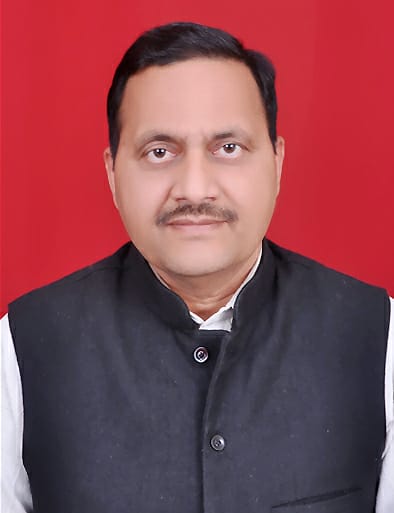
Writer: Professor R. S. Sengar, Dean College of Biotechnology and Director Training and Placement, Sardar Vallabhbhai Patel University of Agriculture and Technology, Modipuram, Meerut.


