

Emerging Startups in Sanitation Sector Publish Date : 05/03/2026

Emerging Startups in Sanitation Sector
Professor R. S. Sengar and Dr. Reshu Chaudhary
In recent years, India has witnessed noteworthy transformation in the field of sanitation. Initiatives such the Swachh Bharat Mission, AMRUT, the Smart Cities programme, along with rising public awareness, have turned sanitation from merely a government responsibility into a sector filled with potential for innovation and entrepreneurship. Today, several young entrepreneurs across the country are experimenting with new ideas in waste management, recycling, water conservation, wastewater treatment, and the development of eco-friendly products. These startups are not only linking sanitation with technological solutions but also bringing communities, municipal bodies, and the private sector together on a common platform.
Many sanitation startups have challenged traditional waste-management structures and promoted the idea of treating waste as a resource. For example, ReCircle collects plastic, metal, and dry waste from cities and towns and delivers it to recycling units, therebyhelping reduce plastic pollution and strengthening the circular economy. Similarly, Saahas Zero Waste assists large residential societies, offices, and industries in segregating waste and safely using recyclable materials.
HasiruDala Innovations has introduced a unique model by connecting sanitation with social justice. This startup not only trains waste-picker communities but also provides them with formal employment, better safety, healthcare benefits, and dignified recognition. As a result, waste management has become more organised, and a long-neglected community has gained opportunities for self-reliance. Likewise, Waste Ventures India has successfully experimented with converting organic waste into compost and biogas, which is proving useful for energy security and sanitation in both urban and rural regions.
Digital technology has also begun to play a major role in the sanitation sector. Several startups are using mobile apps, GPS, and data analytics to make waste collection more transparent and efficient. Technology developed by Banyan Nation purifies recycled plastic,making it suitable for industrial use-helping reduce environmental pressure and enabling industries to adopt sustainable alternatives. App-based services now provide convenient waste pick-up, door-to-doorcollection, and payment facilities in urban areas, greatly improving the quality of sanitation services.The influence of these startups is not limited to cities alone. In rural areas, innovations such as bio-toilets, composting from cattle waste and agricultural residue, rainwater harvesting, and plastic-free village campaigns have linked sanitation with livelihood generation and environmental conservation. Several startups are working closely with local panchayats, NGOs, and women's self-help groups, creating rural sanitation models that are more sustainable and community-driven.
Sanitation startups have demonstrated that waste is not merely a problem-but an opportunity. Their innovations have encouraged fresh thinking, technology adoption, employment creation, and environmentally-friendly growth. In the future, with support from government policies, private investment, CSR partnerships, and citizen participation, these startups can play a crucial role in building zero-waste cities, advancing the circular economy, and strengthening green entrepreneurship.
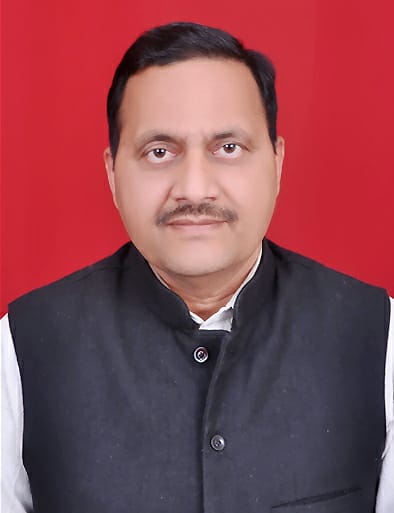
Writer: Professor R. S. Sengar, Director Training and Placement, Sardar Vallabhbhai Patel University of Agriculture and Technology, Modipuram, Meerut.


